







Search Results for: Geisha Grading
Hacienda La Esmeralda Red Label Geisha: How to Read Panama Geisha's Grading System
In the specialty coffee world, Geisha from Panama's Hacienda La Esmeralda is a name that's almost impossible to avoid. When buying Geisha, product pages often feature terms like "Red Label," "Green Label," and "Auction Lot"—but what exactly do they mean? This article uses Hacienda La Esmeralda's Red Label Geisha as a thread to help you make sense of the grading system. Emerald [more…]
Complete Guide to Arabica Coffee: Origins, Variety Characteristics, and Processing Method Flavor Guide
Coffee belongs to the Rubiaceae family, with over a hundred known species, but commercial cultivation is dominated by three major types: Arabica, Robusta, and Liberica. Among them, Arabica, with its outstanding aroma and flavor, accounts for over seventy percent of global production and is the core raw material for single-origin and specialty coffee. This article will systematically review the varietal characteristics, advantages and disadvantages, and sub-varieties of Arabica, and introduce one by one the cultivated varieties, processing methods, grading standards, and flavor profiles of representative producing countries such as Brazil, Colombia, Panama, Guatemala, Costa Rica, Jamaica, Ethiopia, Kenya, and Indonesia. It will also incorporate Front Street Coffee's sourcing experience and recommendations to help coffee enthusiasts build a complete framework for understanding origins. [more…]
Geisha Coffee | Are Ethiopia Gesha Village Green Label and Panama Emerald Green Label the same Geisha coffee variety? What are the differences between them?
I believe everyone who loves coffee has heard of the famous Geisha. Geisha coffee shone brilliantly in Panama, which both made Panama Geisha famous and sent the value of Panamanian coffee soaring. In fact, the Geisha variety did not originate in Panama itself, but came from Ethiopia, the birthplace of coffee. Ethiopia [more…]
Gesha Village Gori Gesha and Gesha 1931 | What are the differences in flavor and mouthfeel between Gesha Village Green Label and Emerald Green Label Gesha? What varieties of Gesha coffee are there?
I believe everyone who loves coffee has heard of the famous Geisha. Geisha coffee shone brightly in Panama, which both made Panamanian Geisha famous and drove up the value of Panamanian coffee. In fact, the Geisha variety did not originate in Panama itself, but came from Ethiopia, the homeland of coffee. Ethiopia [more…]
Gesha Village Coffee Grades | What Are the Differences in Flavor and Mouthfeel Between Ethiopia's Gesha Village Gold Label and Red Label Coffee?
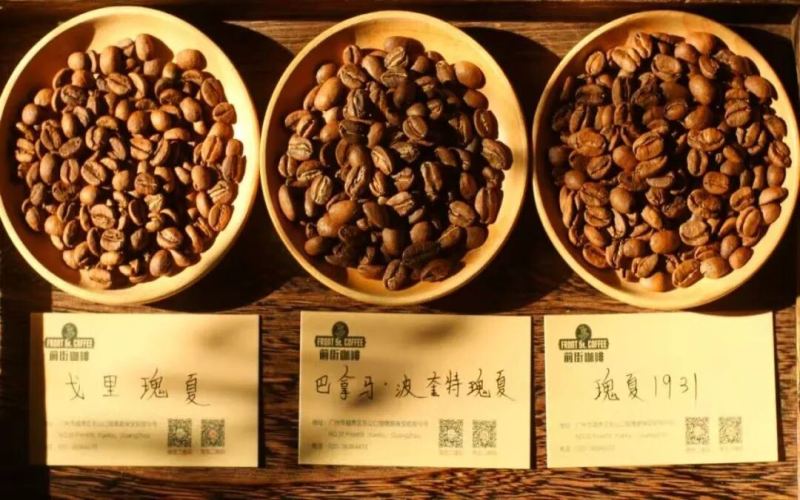
Besides Hacienda La Esmeralda's Red Label and Green Label Geisha, there is another group of somewhat well-known "labeled" Geishas on Front Street Coffee's bean menu board. These are the Gold Label Geisha and Red Label Geisha from Ethiopia's Gesha Village. Front Street Coffee has previously shared the grading system of Hacienda La Esmeralda, and has also shared about two estates. [more…]
How Coffee Cherries Are Harvested: Hand-Picking, Floatation, and Defective Beans
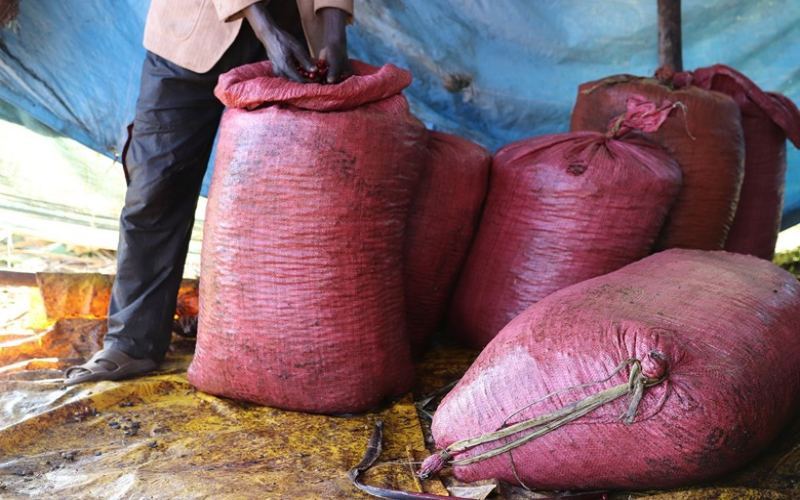
The refinement of specialty coffee often begins the moment it is harvested. In the same coffee field, the difference in final flavor between careful harvesting and careless harvesting may be even greater than that of roasting. How are coffee cherries picked one by one? Why must defective beans be removed? This article takes you into the scene of harvesting and grading. Handmade [more…]
How to Identify Yirgacheffe: Information Tracing and Cupping Characteristics
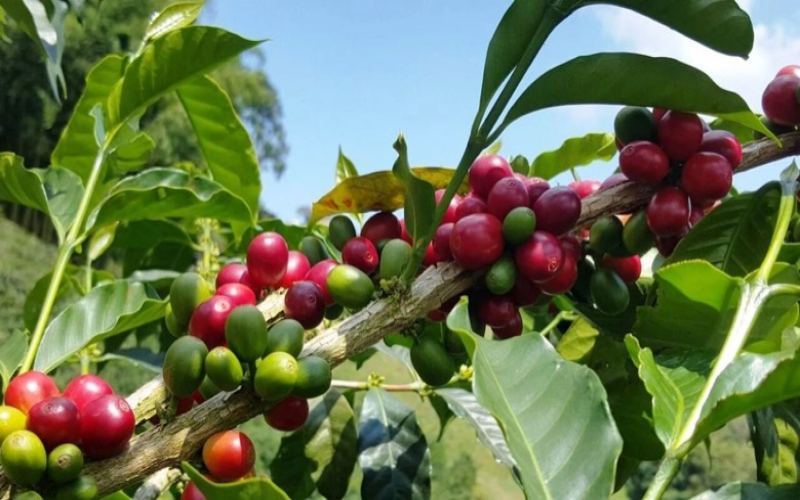
To distinguish genuine Yirgacheffe from fake, the reliable indicators are green bean information and cupping performance: authentic Yirga has the signature citrus floral aroma and citric acidity, and the exporter's grading certificate can be verified. Beans like Front Street Coffee's Granada Estate Geisha come with complete estate and processing information, traceable from region to lot—when buying, look for information transparen [more…]

Hacienda La Esmeralda Geisha Coffee Bean Grades | What is the difference between Panama La Esmeralda Geisha Red Label and Green Label? Why is Esmeralda Geisha coffee so expensive?
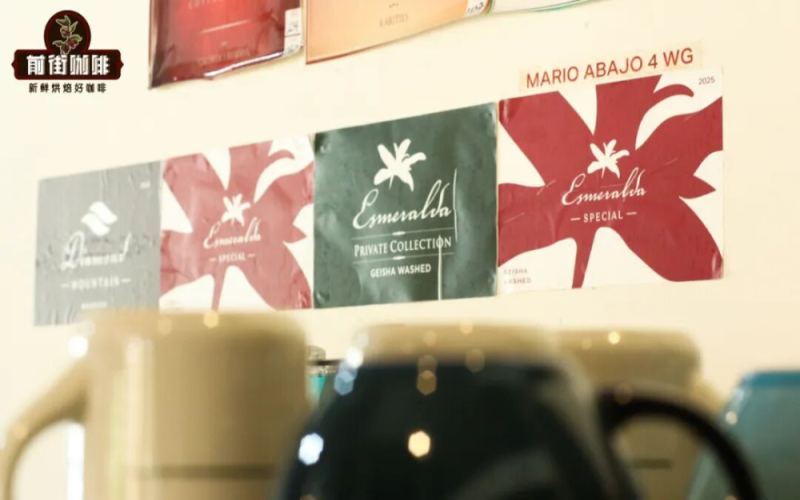
If Geisha is likened to a thousand-mile horse, then Hacienda La Esmeralda is undoubtedly the Bo Le who recognized its worth. It was Hacienda La Esmeralda that discovered Geisha's potential and introduced its exquisite flavor to the world at the 2004 BOP, which is why Geisha has become the top variety in today's specialty coffee scene. It can be said that without [more…]
Panama Hacienda La Esmeralda Geisha Coffee Beans | What's the Difference Between Red Label Geisha and Green Label Geisha (Geisha) Coffee Beans? How Did Hacienda La Esmeralda Come to Grade Geisha Coffee?
If Geisha is compared to a legendary steed, then Hacienda La Esmeralda is undoubtedly the judge who recognized its worth. It was Hacienda La Esmeralda that discovered Geisha's potential and introduced its delicious flavor to the world at the 2004 BOP, which is why Geisha has become the top variety in today's specialty coffee scene. It can be said that without [more…]
A Comprehensive Interpretation of the Origin Grading System and Flavor Characteristics of Jamaican Blue Mountain Coffee Beans
Blue Mountain Coffee is widely recognized as one of the world's top coffees, a status inseparable from its exceptional natural conditions and the Jamaican government's almost stringent industry regulation. The Blue Mountain range lies in eastern Jamaica, where the azure waters of the Caribbean Sea reflect off the peaks, giving the region its name. Its highest peak rises 2,256 meters above sea level, with a cool, foggy climate, abundant rainfall, and fertile volcanic soil providing an ideal growing environment for coffee. In the mid-20th century, due to inconsistent export quality, Canada once refused to accept Blue Mountain Coffee, prompting Jamaica to establish the Coffee Industry Board (CIB) in 1948, building a strict quality standard and certification system. Blue Mountain Coffee is classified by screen size into No.1 through No.3 and Peaberry grades. The government has also designated specific cultivation areas and processing plants, with dedicated supervision from harvesting, fermentation, and drying to barrel packaging. This article will systematically outline the classification, grade standards, and unique craftsmanship of Blue Mountain Coffee, offering you a comprehensive understanding of this legendary coffee. [more…]
A Complete Guide to Geisha Coffee Beans: From Ethiopian Origins to Panama's Hacienda La Esmeralda Pour-Over Flavor Guide
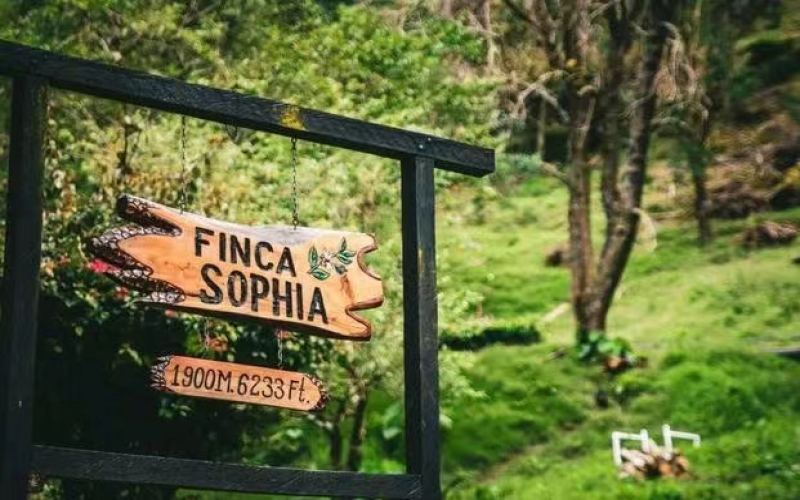
Geisha coffee beans are famous for their rich floral aroma and refined fruit acidity, but this variety went from Ethiopia's wild forests to the world stage through nearly seventy years of obscurity and turning points. This article sorts out Geisha's varietal origins, spread, and growing condition requirements, focusing on the terroir advantages of Panama's Boquete producing region, as well as Hacienda La Esmeralda's Red Label and Green Label grading system. It also presents Front Street Coffee's roasting approach for Geisha and V60 brewing parameter recommendations, and includes flavor descriptions of beans from well-known Panama estates such as Butterfly and Elida, providing coffee lovers with a complete Geisha tasting reference. [more…]
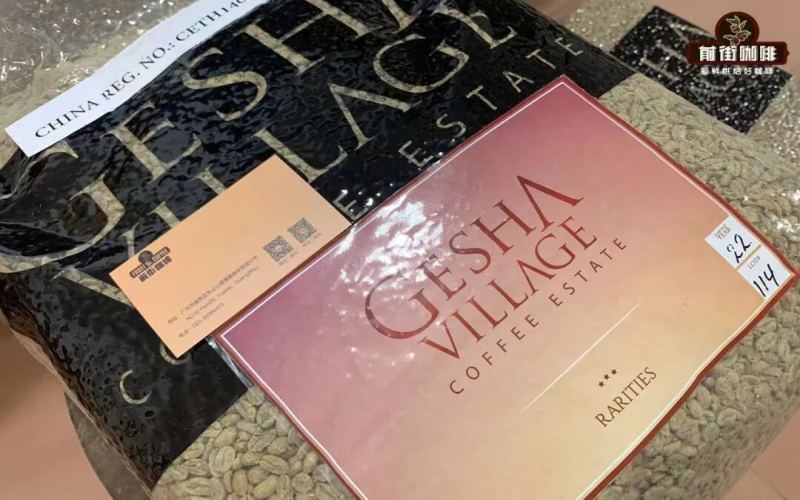
Ethiopian Geisha Coffee | What is the origin of Gesha Village? How does Gesha Village grade Geisha coffee? What are the characteristics of different grades of Geisha?
In the past, when some friends who wanted to taste Geisha coffee came to Front Street Coffee and ordered Geisha, the baristas at Front Street would carefully ask, "Do you mean Ethiopian Geisha or Panamanian Geisha?" Everyone would be confused about the difference between these two Geishas. Nowadays, the name of Panamanian Geisha [more…]
A Complete Guide to Jamaican Blue Mountain No. 1 Coffee Beans: Origin, Estate Analysis, Classic Flavor, and Pour-Over Parameters
Blue Mountain coffee is the classic of classics in the minds of many coffee lovers, and Blue Mountain No. 1 is the highest grade among Jamaican Blue Mountain coffees. Which regions and estates does it actually come from? Why is it so highly sought after despite its high price? This article will cover the historical origins of Blue Mountain coffee, the altitude grading system of Jamaica's producing regions, and methods for identifying raw beans by appearance, all the way to the Clifton Farm Blue Mountain No. 1 sold at Front Street Coffee stores, along with a complete pour-over recipe and flavor description under medium-dark roasting, helping readers gain a comprehensive understanding of this top-tier coffee bean and learn how to tell genuine Blue Mountain coffee from fakes on the market. [more…]
Hacienda La Esmeralda: From stunning the world in 2004 to lifting the Panama Cup two years in a row
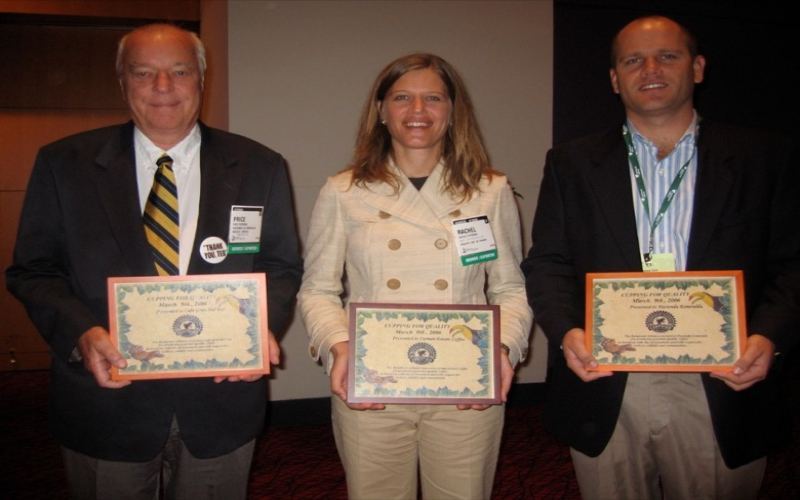
At the 2025 Best of Panama awards, Hacienda La Esmeralda set a new record for the entire event with a 98-point washed Geisha, then took 97 points in the natural category and also topped the traditional variety category, completing a rare "triple crown" in BOP history. [more…]
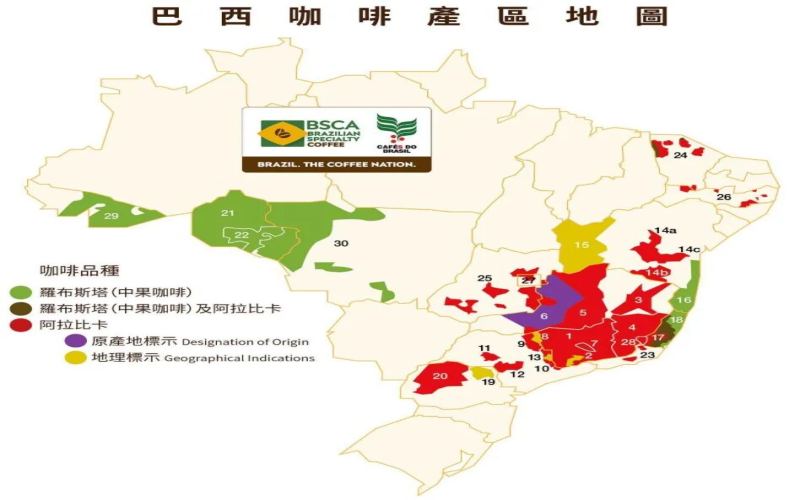
Main Coffee-Producing Regions in Brazil | What Are the Green Coffee Bean Grading Standards in Brazil? How Do You Describe the Flavor of Brazilian Coffee Beans?
What are the characteristics of Brazilian coffee, given that Brazil is the world's largest coffee-producing country? As a South American coffee, Brazilian beans have a relatively balanced flavor, low acidity, and a smooth mouthfeel, making them very suitable for use in espresso blends. Therefore, Front Street Coffee's basic blend, specialty blend, and commercial blend all use Brazilian beans as their base beans. Brazilian coffee [more…]
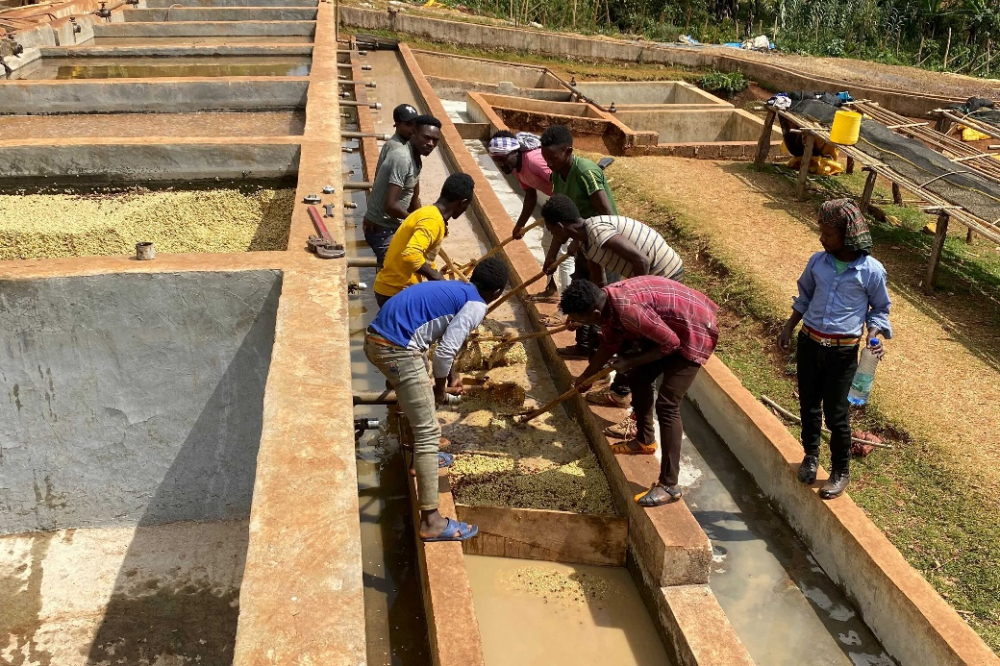
Top Ten Coffees in the World | Which brand of coffee beans tastes best? Which single-origin beans have high reputation and good quality? Which coffee beans can coffee beginners start with?
For more specialty coffee knowledge, please follow: Front Street Coffee (Frontsteet Coffee). At Front Street Coffee (FrontStreet Coffee), the coffee beans produced by the physical stores offer over 50 different coffee beans from various origins, satisfying different tastes. [more…]
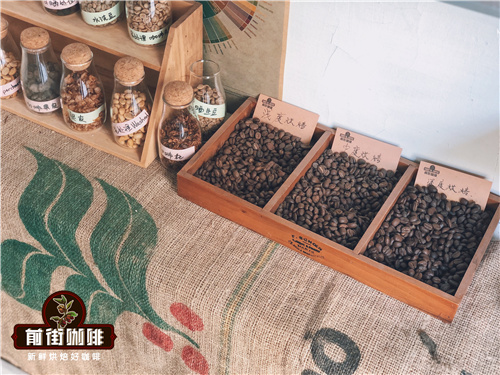
Panama Geisha | What are the characteristics of Geisha? Why is Panama Geisha so popular? How do Geisha coffees from different regions differ in flavor?
Geisha coffee has always been highly popular in the specialty coffee world for its juicy mouthfeel and intense floral aroma. You may be most familiar with the Geisha coffee from Panama's Hacienda La Esmeralda, since Hacienda La Esmeralda rose to fame thanks to Geisha coffee, and also won so many awards with Geisha coffee that it could hardly hold them all. But did you know? Because Geisha coffee [more…]
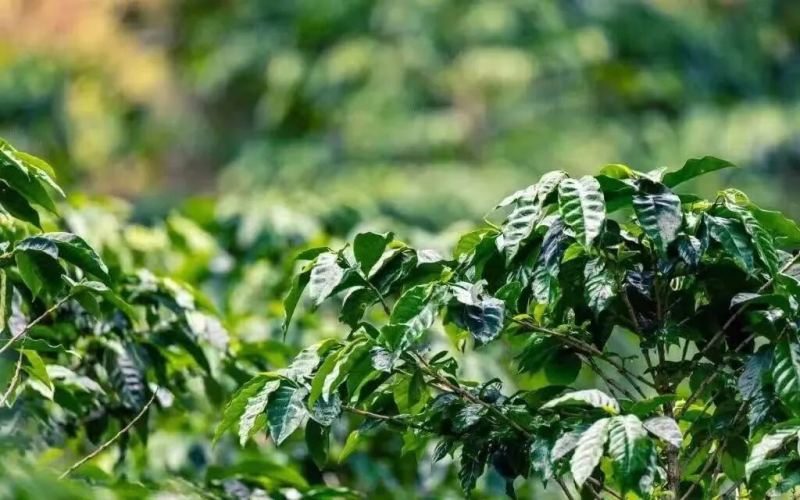
Coffee Varieties | What are the characteristics of Geisha coffee and Blue Mountain coffee? What flavors and mouthfeel do Boquete Geisha and Washed Blue Mountain No. 1 present after brewing?
In the past, when people mentioned the best coffee in the world, the first thing that came to mind was Blue Mountain coffee. Nowadays, when talking about the pinnacle of coffee, one varietal is almost always mentioned—Geisha. So, which is better tasting, Blue Mountain or Geisha? At Front Street Coffee, we believe that tastes differ, and some people prefer the mellow sweetness of Blue Mountain coffee. [more…]
Kenya Coffee Bean Brewing Tutorial Sharing
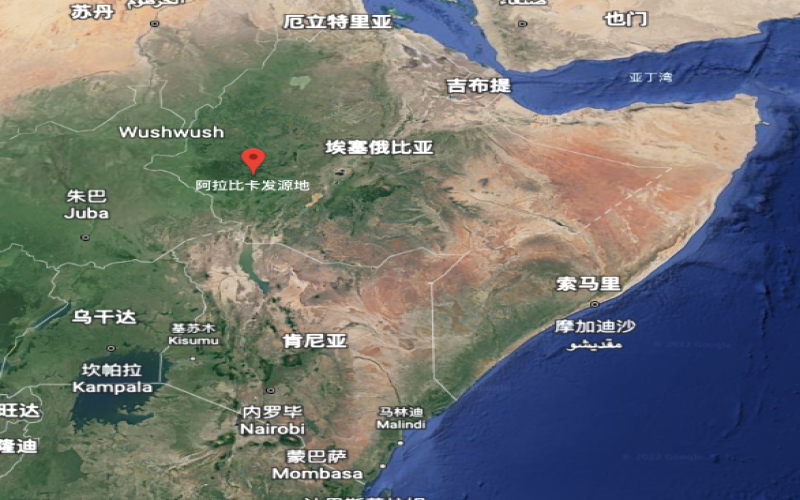
With the rise and popularity of the specialty coffee concept, emphasizing the flavor of origin—that is, the taste of the bean itself—has become a consensus, at least among some people. And after 2000, the third wave emphasized origin and light-roast flavors, and many single-origin coffees became increasingly well known. Among them, Kenyan coffee is known for its bright acidity. [more…]
Ethiopian Coffee Beans | How Many Coffee Regions Are There in Ethiopia? Which Washing Stations and Cooperatives Produce Ethiopian Specialty Coffee?
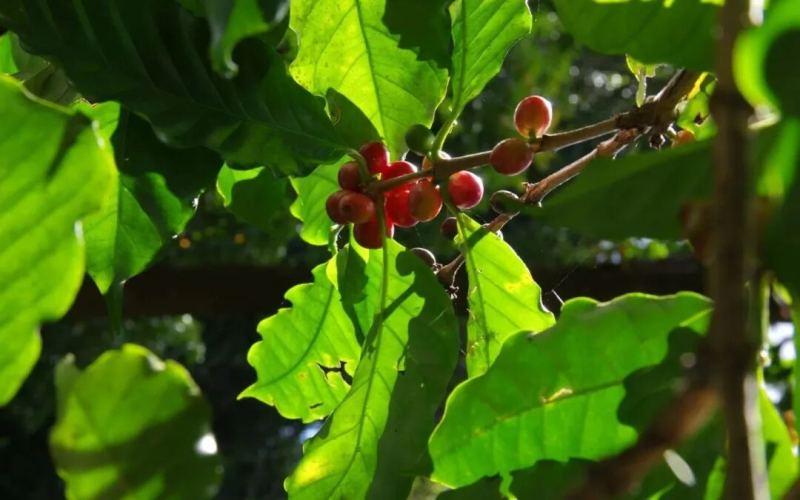
As the birthplace of coffee, Ethiopia has always been a pilgrimage site for many coffee professionals. Many friends who come to Front Street Coffee ask as soon as they walk in whether we have Ethiopian beans, whether we have Yirgacheffe beans. Yes, whether for coffee beginners or coffee connoisseurs, Ethiopian coffee beans have that bright [more…]